Bring children early, before anything hurts
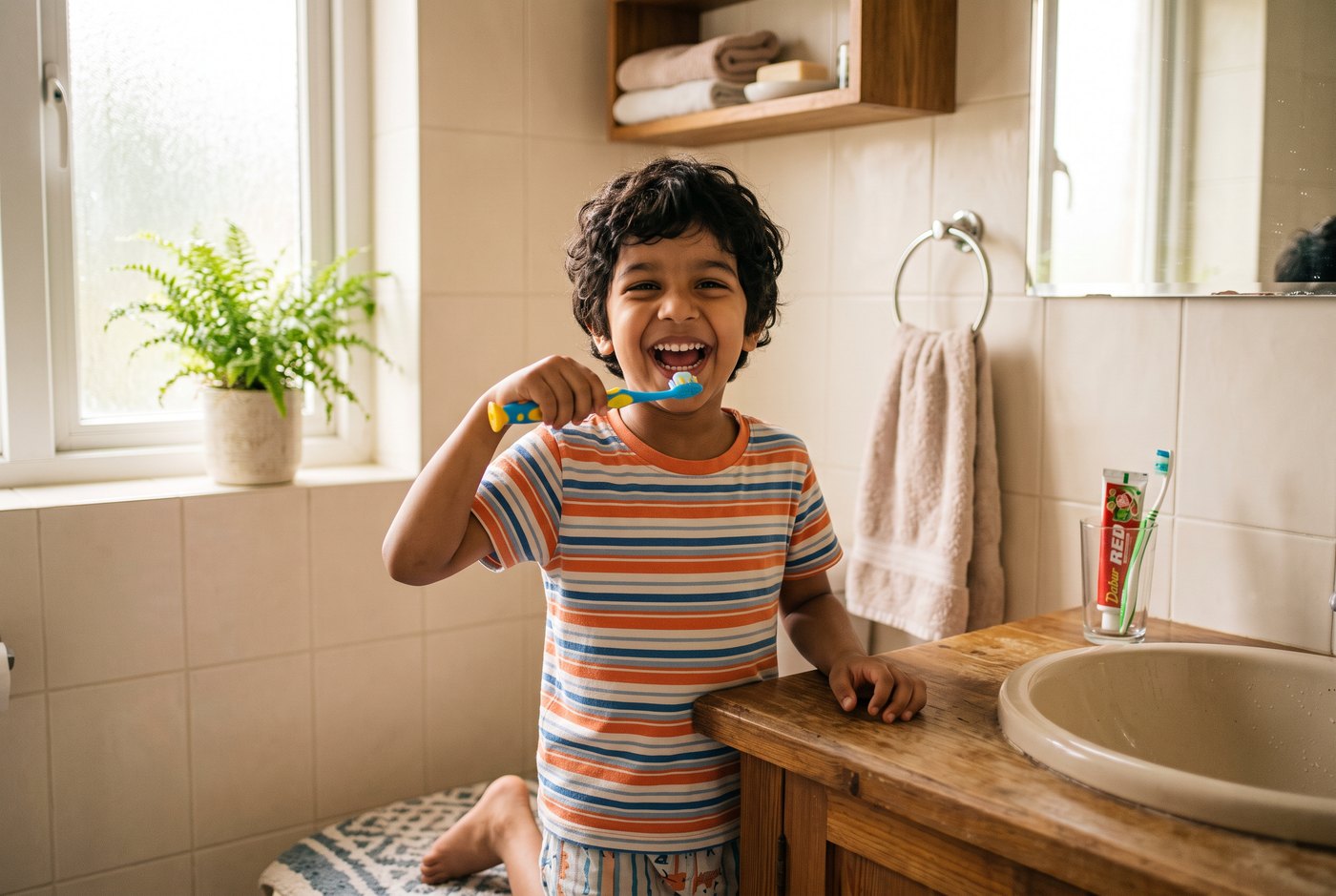
A large share of adults who describe themselves as frightened of the dentist can name the visit that did it — and it was almost always an emergency. Something hurt, they were taken in for the first time, and their introduction to a dental chair was an unfamiliar room, an anxious parent and a procedure that could not be postponed.
The single most effective thing you can do for a child's long-term dental health has nothing to do with teeth. It is making sure their first visit is a boring one.
When to start
The usual guidance is a first visit around the child's first birthday, or within six months of the first tooth appearing — whichever comes first. That sounds absurdly early to most parents, and the point is not the examination. It is that the room, the chair, the light and the person become ordinary before anything is ever wrong.
An early visit is a look, a count, a ride up and down in the chair, and a conversation with the parent about brushing and diet. Nothing that needs bravery.
The words you use matter
Children take their cue from the adult holding their hand. A parent who is themselves nervous transmits it faster than any explanation can undo.
- Avoid reassuring against things they had not thought of. "It won't hurt", "there's nothing to be scared of" and "they won't pull it out" all introduce the idea of pain, fear and pulling. Say the visit is a check, and leave it there.
- Do not use the dentist as a threat for not brushing. It works for a week and costs years.
- Do not promise there will be no treatment — if there turns out to be some, you have spent the trust.
- Book a morning appointment for small children where possible. Tired children at the end of a long day are a much harder job for everyone.
Baby teeth matter more than people assume
"They are going to fall out anyway" is the most common reason decay in a child's teeth gets left, and it misunderstands what those teeth are doing.
- They hold the space the adult teeth will need. A baby molar lost early lets the neighbouring teeth drift into the gap, and the permanent tooth arrives to find no room — which is a large share of the crowding that later needs braces.
- The permanent tooth forms directly beneath the baby one. A serious infection in a baby tooth can affect the developing tooth under it.
- They are how a child eats and speaks during the years when both are being learned.
- Decay in baby teeth hurts, and toothache in a small child is a miserable business for the whole household.
Brushing, by age
Start as soon as the first tooth appears — a soft infant brush or a clean cloth, twice a day.
- Under three: a smear of fluoride toothpaste, about the size of a grain of rice.
- Three and over: a pea-sized amount.
- Spit, do not rinse, as soon as the child is old enough to manage it. Rinsing washes the fluoride straight off.
- Supervise until around seven or eight. Younger children do not yet have the fine motor control to brush effectively, however willing they are. Letting them go first and then "finishing off" for them works better than taking the brush away.
- The bedtime brush is the important one. Saliva flow drops overnight, so whatever is left on the teeth sits there for hours with none of the mouth's usual defence.
Sugar: how often beats how much
Every time sugar reaches the teeth, the mouth turns acidic for roughly twenty minutes before saliva restores it. A chocolate eaten in one go is one acid attack. The same chocolate grazed across an afternoon is a dozen.
So the useful change is usually not "less sugar" but fewer separate occasions — with sweet things kept to mealtimes rather than spread through the day. Watch particularly for the ones that do not feel like sweets: fruit juice, flavoured milk, sweetened yoghurt, biscuits, and dried fruit, which is sticky and lingers.
Bottles and night feeding
A bottle or sippy cup of anything other than water taken to bed is one of the most damaging habits there is, because the liquid pools around the upper front teeth all night. Move to a free-flow cup from around the first birthday, and keep anything sweet out of the bedtime bottle.
What a dentist can add
Beyond checking, two preventive measures do a lot of work in children: fissure sealants, a thin coating that fills the deep grooves in the biting surfaces of new adult molars where a brush cannot reach, and fluoride varnish, applied a couple of times a year to harden the enamel. Both are quick, painless and require nothing of the child but sitting still.
Early visits also catch bite and alignment problems while they are still cheap to influence — often the difference between guiding growth and correcting it later.
Bring them in if
- They have never been, and the first tooth arrived more than six months ago.
- You can see a white, brown or black mark on any tooth.
- They complain of pain, or avoid chewing on one side.
- A tooth is knocked out or broken — that is same-day, not next-week. Keep a knocked-out permanent tooth in milk and come straight in.
- There is swelling of the face or gum.
- Adult teeth are coming through behind baby teeth that have not loosened.
- They are still using a dummy or thumb-sucking past about age four.
This is general guidance, not a diagnosis. Children differ, and an examination is what tells you where yours actually is.
We see children all week, including Sundays. If it is their first visit, tell us — we will keep it short and easy.